
Understanding What Casinos Are Not On
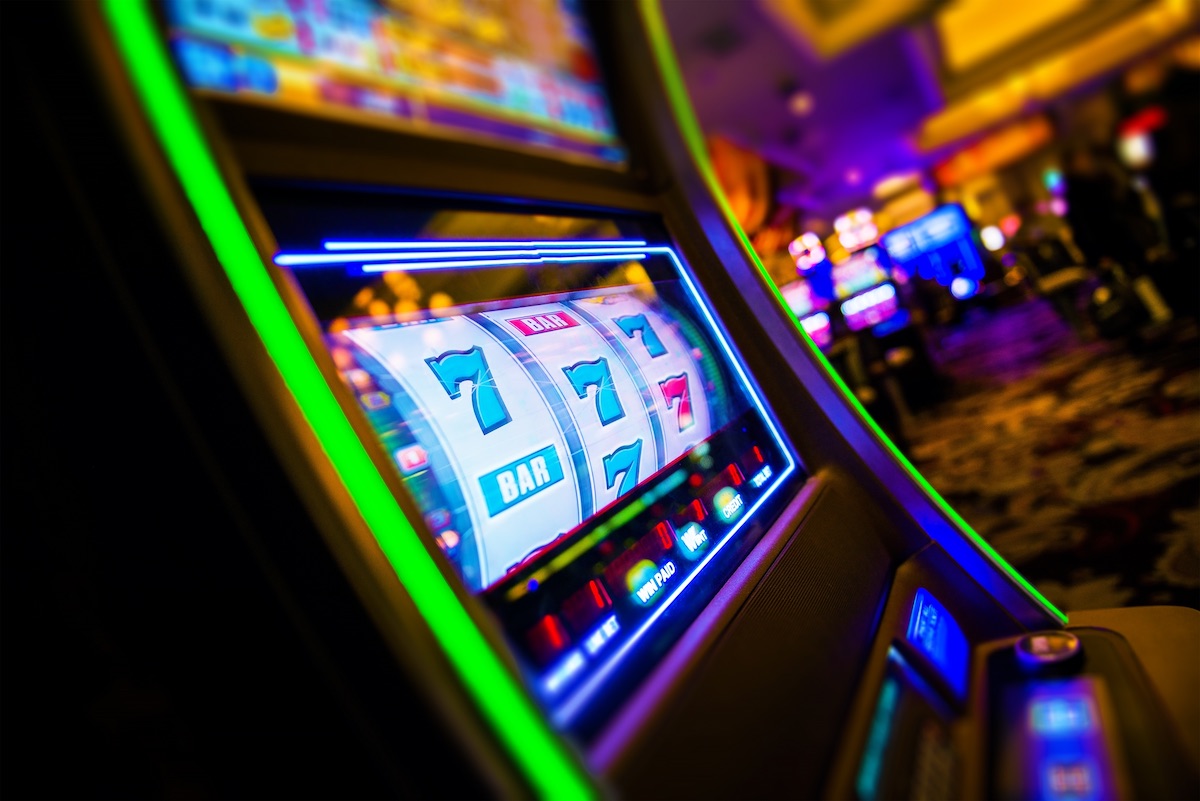
When we think about casinos, the first images that come to mind are usually of illuminated slots, the rhythmic sounds of chips clinking, and the vibrant atmosphere of tables filled with players. However, as the gambling industry evolves, it is essential to recognize what casinos are not on, both in terms of the services they offer and the audiences they target. Understanding the landscape of casinos—both real and online—provides insights that can shape our experiences in this exciting domain. For those interested in learning more about unique gambling experiences, you can visit what casinos are not on GamStop https://www.romancircus.co.uk/ to discover enticing options that stray from the traditional path.
The Traditional Casino Experience
Most casinos that people are familiar with are land-based establishments adorned with neon lights, providing an array of gambling activities, including table games, slot machines, and poker rooms. However, some casinos operate differently and are often not seen in typical gambling scenarios. These can include everything from pop-up casinos to unique themed gambling experiences not associated with major gambling markets.
1. Pop-Up Casinos
Pop-up casinos are temporary gambling venues set up for special events or festivals. Unlike traditional casinos, these establishments do not have a permanent location and often cater to specific occasions. They are typically equipped with a limited number of games and may offer local favorites, but their transient nature means they are not part of the regular casino landscape.
2. Themed Experience Venues
While some casinos embrace themes (like the tropical paradise vibe of a resort), others take it a step further. Themed experience venues might include immersive entertainment experiences where gaming is one part of a broader spectacle. These casinos may not focus solely on gambling, featuring shows, dining experiences, and social spaces that appeal to a non-gambling audience. Examples might include art galleries, music venues, or even historical reenactments that incorporate gambling as a minor component rather than a primary attraction.
3. Restricted Access Casinos
Some casinos may also exist in a limited-access environment that excludes the general population. Private member clubs or high-stakes gambling establishments often require an exclusive membership, thereby creating a more intimate and luxurious atmosphere. While these casinos provide premium services, they are not open to all and hence fall into the category of “casinos that are not on” the typical gaming landscape.
Online Gambling: Not All Casinos Are Created Equal
The rise of online gambling has transformed how players engage with casinos, yet there are still distinctions in what players may find online. Understanding these differences can help gamblers make informed choices. Here are some categories of online casinos that many gamblers might not come across.
1. Crypto Casinos
With the advent of cryptocurrency, a new wave of online casinos has emerged, emphasizing anonymity and secure transactions. However, these crypto casinos may not be listed on traditional casino review sites or be widely known due to their newer nature and less regulatory oversight. They often attract tech-savvy gamblers and those looking to explore alternative payment methods.
2. Skill-Based and Social Casinos
Skill-based casinos and social gaming platforms are gaining popularity, appealing to a demographic that prefers interaction over traditional gambling. These games may involve a level of decision-making and strategy, meaning players need to engage actively. However, they aren’t classified as conventional casinos, leading many players to overlook these engaging options.
3. Niche Online Casinos
While many online casinos cater to a broad audience, some focus on niche markets. These casinos might offer unique themes, specific types of games, or cater to particular demographics. They might feature games inspired by niche interests such as historical events, popular culture, or other unique themes that do not resonate with mainstream audiences. However, they can be fantastic choices for those looking to drift away from traditional gameplay.
The Future of Casinos – What’s Next?
As technology and society continue to evolve, the casino landscape is likely to change even further. Virtual reality casinos may be on the horizon, allowing users to experience gambling in new and unprecedented ways. These innovations raise questions about what constitutes a casino and what audiences can expect going forward.
1. The Integration of Technology
With advancements in technology, the traditional casino experience is likely to shift dramatically. Online and in-person gaming might blend more seamlessly, allowing players to engage in unique ways. For example, VR casinos that incorporate state-of-the-art technology could create immersive environments that feel just as thrilling as visiting a real casino.

2. Increased Regulation
Globally, the regulation surrounding gambling is tightening. Governments are implementing restrictions on online gambling, leading to the shut down of some operations. However, this may also drive some establishments underground or lead to the creation of unique niche offerings that operate outside typical regulatory frameworks.
3. Environmental and Social Considerations
Future casinos must also consider their environmental and social impact. Traditional casinos often require substantial physical infrastructure, which can contribute to habitat destruction and resource depletion. In contrast, casinos that arise focusing on sustainability, social responsibility, and community values may resonate better with a newer, more conscientious generation of gamblers.
Conclusion
The world of casinos transcends the typical image of flashy lights and endless rows of slot machines. Understanding what casinos are not on reveals a much broader spectrum of experiences that cater to diverse preferences and lifestyles. From pop-up experiences to unique online platforms and niche markets, these establishments provide valuable alternatives for gamblers seeking something different. As gaming continues to evolve, embracing innovative possibilities will be paramount, ensuring that the excitement and engagement of gambling remain front and center—whether in traditional venues or beyond.