

Understanding What Gambling Sites Are Not
In an increasingly digitized world, the realm of online gambling has expanded dramatically. However, not all gambling sites are created equal, and it’s crucial for potential players to understand what gambling sites are not, especially those that don’t conform to traditional regulations. One aspect that players may consider is the what gambling sites are not on GamStop gambling sites not blocked by GamStop, which operate outside specific regulatory frameworks. This article delves into various categories of gambling sites, examining their legitimacy, pros, and cons.
1. Non-Regulated Gambling Sites
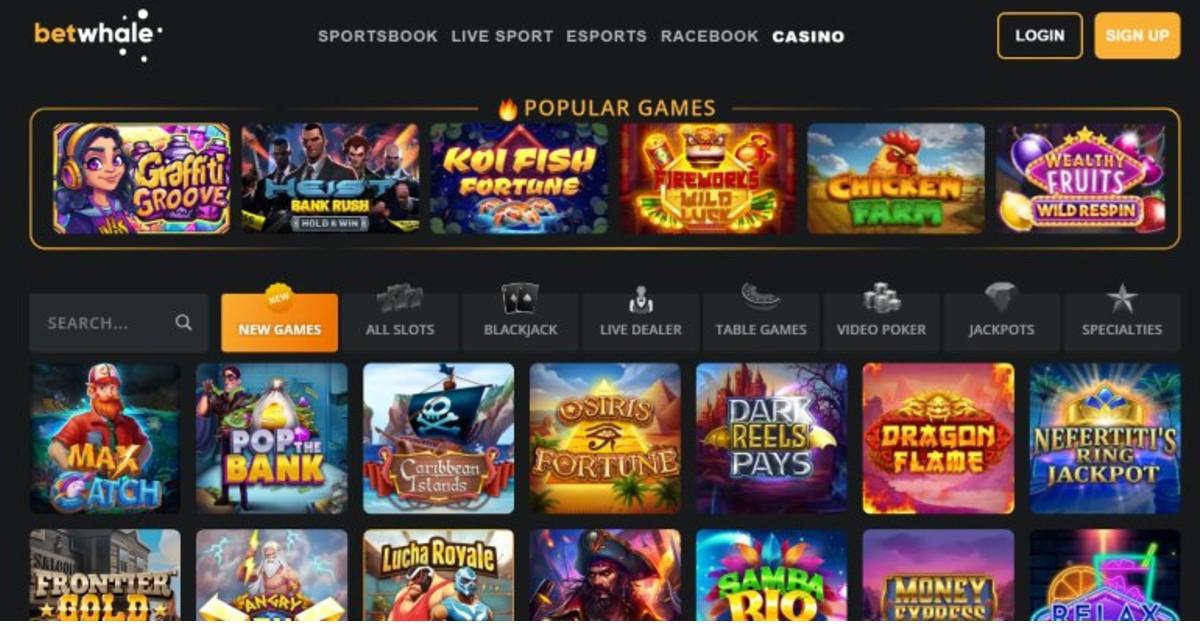
Non-regulated gambling sites are those that do not adhere to the regulations set forth by recognized authorities. This encompasses a wide range of platforms, from unlicensed casinos to peer-to-peer betting forums. Players on these sites face much higher risks due to potential fraudulent practices, lack of player protection, and an absence of fair play protocols.
Risks Involved
- Fraud and Scams: Without regulatory oversight, players may encounter sites that engage in deceptive practices.
- Poor Payment Security: Non-regulated sites may lack robust payment security measures, putting players’ financial information at risk.
- Lack of Support: Players have little recourse in case of disputes, as non-regulated sites typically offer limited customer support channels.
2. Cryptocurrencies and Decentralized Gambling
The rise of cryptocurrencies has led to the emergence of decentralized gambling platforms. These sites offer a different experience, allowing users to gamble using digital currencies such as Bitcoin, Ethereum, and others. While some may consider them appealing due to anonymity and minimal regulations, there are still caveats.
Considerations of Decentralized Gambling
While decentralized gambling sites offer anonymity, they lack traditional oversight, which can pose risks similar to non-regulated sites, including:
- Price Volatility: Cryptocurrency values fluctuate widely, affecting betting amounts and potential winnings.
- Regulatory Gray Areas: As the legal status of cryptocurrency varies by region, so does the legality of these gambling sites.
- Lack of Recourse: If a transaction goes awry, retrieving funds can be exceedingly difficult, often requiring technical expertise.
3. Offshore Gambling Sites
Offshore gambling sites operate outside the jurisdiction of players’ home countries, often promising higher bonuses and a wider array of games. However, they also come with their own unique set of risks and challenges for users.
Understanding Offshore Risks
Many players are drawn to offshore sites due to the potential for better odds and promotions. Nevertheless, the potential downsides include:
- Legal Implications: Engaging with these sites could lead to legal trouble depending on local laws surrounding online gambling.
- Withdrawal Issues: Players often find that cashing out winnings can be complicated, with delays or restrictions imposed.
- Questionable Fairness: Not all offshore sites implement fair gaming practices, which could lead to unfair losing streaks.
4. Social and Free Play Gambling Sites
Social casinos and free-play platforms allow players to engage in gambling-like experiences without real money at stake. While these sites can provide entertainment without financial risk, they may not represent traditional gambling.
The Benefits and Limitations
The advantage of these platforms lies in their no-risk nature, but they come with limitations that players should be aware of:
- Lack of Real Money Rewards: Players play for fun rather than actual winnings, which may lessen the thrill of gambling.
- Potential for Misleading Experiences: Players can experience a false sense of skill or experience, which may not translate to real-money gambling.
- Impulsive Spending: Some players may start to treat free play as practice before gambling with real money, leading to poor decision-making.
5. Peer-to-Peer Betting Platforms
Peer-t
o-peer betting platforms allow users to bet against each other rather than against a house. While these platforms can democratize betting odds, they are generally less regulated than traditional sportsbooks.
Benefits and Downsides
Peer-to-peer betting has its advantages, but users should keep certain factors in mind:
- More Competitive Odds: The absence of a house margin can lead to better odds compared to traditional sites.
- Trust Issues: Players may need to rely on the honesty of other gamblers, which can lead to increased risks.
- Limited Market Availability: Certain sports or events might not be available, affecting potential betting strategies.
Conclusion
In today’s landscape of online gambling, understanding what gambling sites are not is as crucial as knowing which ones are reputable. Players should be diligent in researching options, recognizing the risks associated with non-regulated platforms, and being mindful of their gambling habits. Whether exploring decentralized platforms, offshore options, or even social casinos, there is a need to approach the online gambling realm with caution, awareness, and an understanding of personal limits.